Tag: NativeAmerican
-
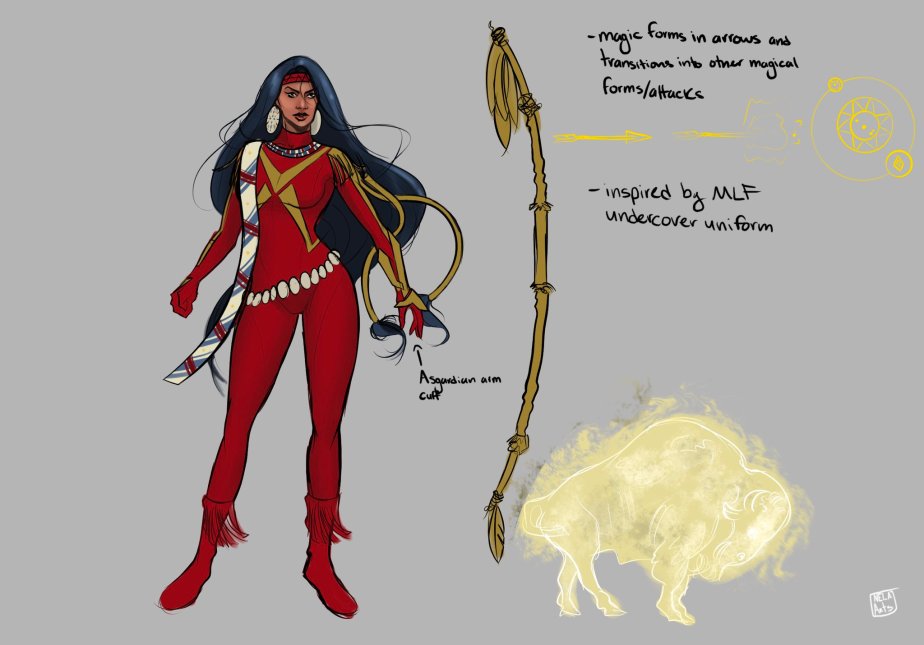
104. Gwen Stacy – Spider-Gwen (Native American) – Racial Draft Season 5

What do you think of Native American Spider-Gwen? #RacialDraft
— Racial Draft Podcast (@RacialDraftPod) December 14, 2022
Click HERE for more Native American Delegation posts
-
97. James "Bucky" Barnes – Winter Soldier (Native American) – Racial Draft Season 5

What do you think of the Native American Winter Soldier? #RacialDraft
— Racial Draft Podcast (@RacialDraftPod) December 8, 2022
Click HERE for more Native American Delegation posts
-
84. Maya Lopez – Echo (Native American) – Racial Draft Season 5

What do you think of (still) Native American Echo? #RacialDraft
— Racial Draft Podcast (@RacialDraftPod) November 29, 2022
Alaqua Cox remains the Echo fancast:


Click HERE for more Native American Delegation posts
-
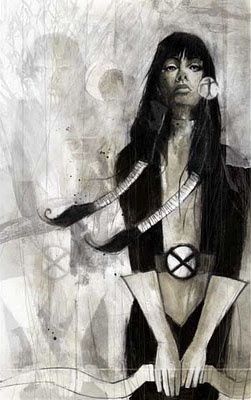
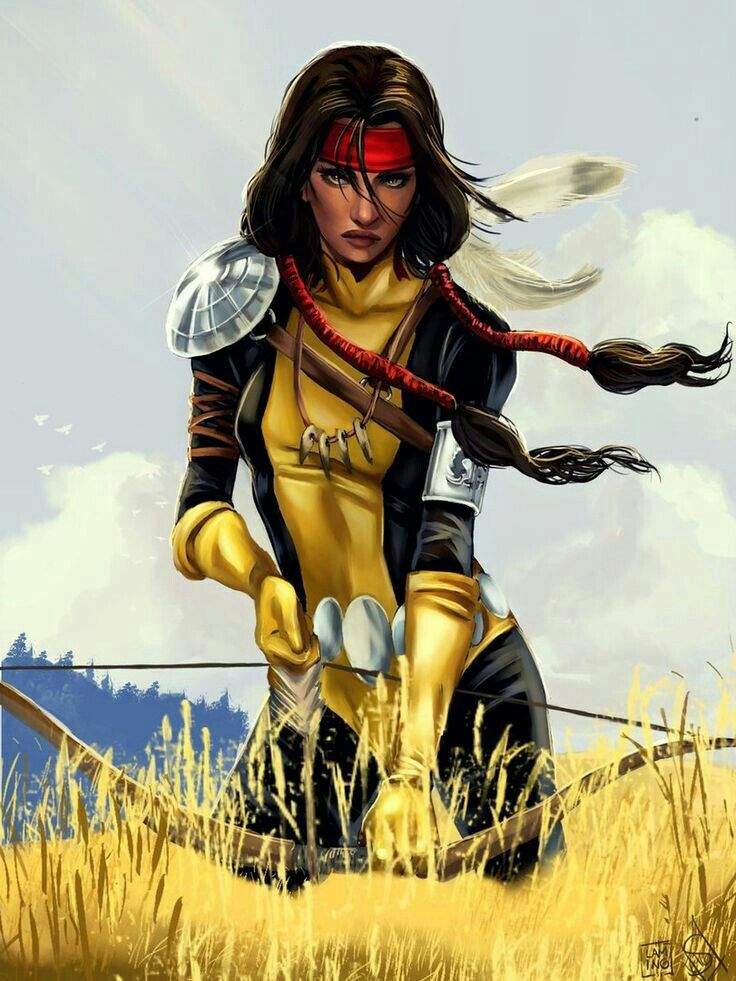
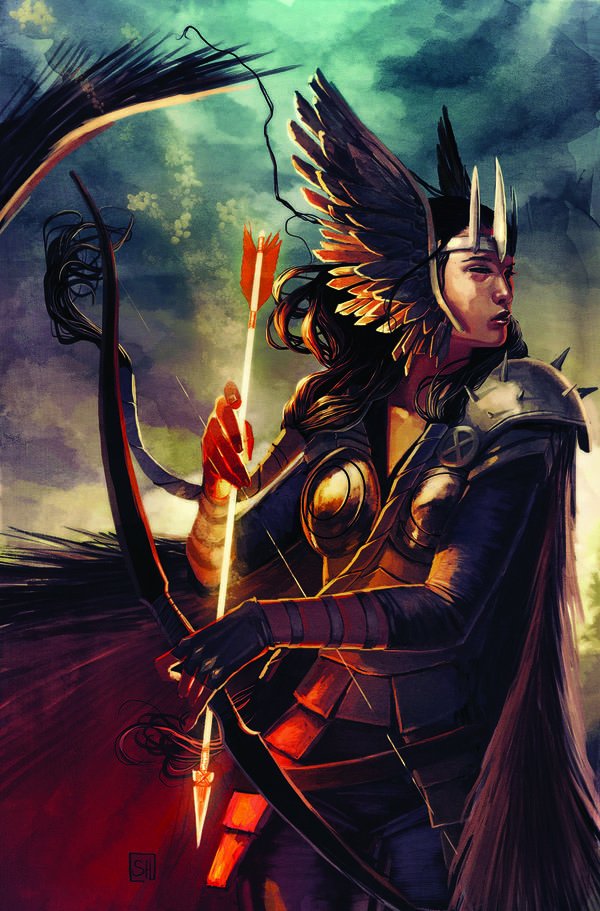
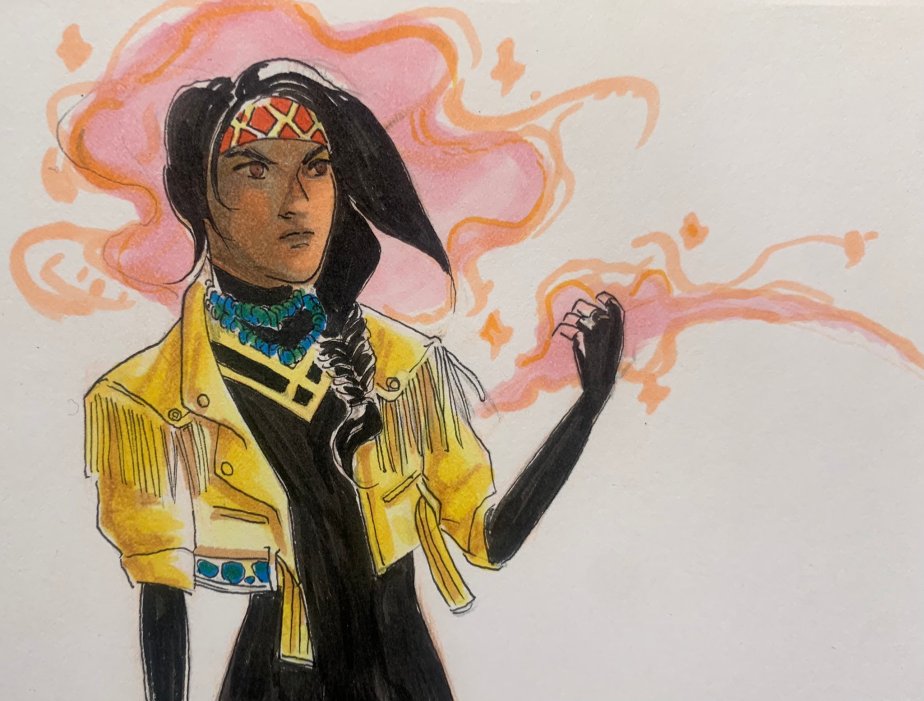
77. Illyana Rasputin – Magik (Native American) – Racial Draft Season 5

What do you think of Native American Magik? #RacialDraft
— Racial Draft Podcast (@RacialDraftPod) November 24, 2022
Click HERE for more Native American Delegation posts
-
64. Jaimie Reyes – Blue Beetle (Native American) – Racial Draft Season 5

What do you think of Native American Blue Beetle? #RacialDraft
— Racial Draft Podcast (@RacialDraftPod) November 16, 2022
Click HERE for more Native American Delegation posts
-
57. Johnny Blaze – Ghost Rider (Native American) – Racial Draft Season 5

What do you think of Native American Ghost Rider? #RacialDraft
— Racial Draft Podcast (@RacialDraftPod) November 10, 2022
Click HERE for more Native American Delegation posts
-
44. Eddie Brock – Venom (Native American) – Racial Draft Season 5

What do you think of Native American Venom? #RacialDraft
— Racial Draft Podcast (@RacialDraftPod) November 2, 2022

More about Native American Venom:

Edward Allen “Eddie” Brock was raised in a Serrano Native American household in San Francisco. In the history of the Serrano, their connection to spirituality was disconnected in the 1600’s, leading them to become heavily influenced by Christian colonization. Eddie Brock was born to Carl Brock and Jamie Brock, who died in childbirth due to malpractice in the hospital.. The doctors showed little inclination to provide the Brocks a safe delivery — even though they left the Serrano reserve for a “proper” birth — which led to Carl blaming his son Eddie for his wife’s death and becoming cold and abusive towards him. In his father’s words, he was poisonous to his mother. A parasite.
Constantly seeking his father’s approval over the years, Eddie excelled academically, but his achievements were met with half-hearted encouragement at best. This led to Eddie acting out and rebelling instead. When Eddie was a teenager, he stole his father’s car and snuck out to get drunk with some friends, planning to sneak it back home before his father noticed. In the process, however, he accidentally killed a neighbor’s young son, leaving him horrified.
Eddie — who had been raised a devout Christian — was willing to own up to what he had done, but Carl brutally beat his son for his initial refusal to plead not guilty, and bribed the police and prosecution to get the incident covered up and the charges dropped. However, covering up the incident nearly bankrupted Carl Brock, and further amplified his hatred and resentment towards his “screwed-up parasite of a son.”
Looking for a fresh start, Eddie decided to move East after graduation, gaining entrance to ESU’s journalism program by fabricating an internship, and later romancing law student Anne Weying. Eddie’s big break as a reporter came when he intercepted a letter written to the Daily Globe by Emil Gregg, who claimed to be the serial killer The Sin-Eater. After contacting Gregg, Eddie went on to write front-page exclusives based on his Sin-Eater interviews, protecting his identity under First Amendment source confidentiality protections, until a crisis of conscience and pressure from the police and his editor led to Eddie outing Gregg as the Sin-Eater.

With that bombshell of a headline, the paper sold out immediately, but the very same day, Spider-Man captured and revealed the true identity of the Sin-Eater, Detective Stan Carter. Gregg, it turned out, was Carter’s delusional neighbor, and Brock became a laughingstock among his fellow journalists. Disgraced and fired from the Daily Globe, Eddie resorted to writing venomous takes for less reputable tabloid imprints. Disgusted by Eddie’s refusal to accept responsibility for his mistakes, Anne left him.
Dumped by his fiancée, disowned by his father, and with his credibility in shambles, Eddie’s future appeared to be ruined before he could even begin to live his present. And he blamed all these problems on Spider-Man. Eddie began an intense physical workout program hoping to reduce the spiral of shame, despair, and self-loathing that his life had turned into, but it was to no avail. Ultimately, Eddie decided to turn back to his faith, which he had long since abandoned, visiting a Church with the intent to beg forgiveness from God for his wayward ways before ending his life.

But instead, brimming with hatred for the man he blamed for killing all his hopes and dreams — Spider-Man — his prayers turned vitriolic, as he cursed the holier-than-thou hero who probably lived a charmed white-picket-fence life of privilege and never knew a day of struggle, not like him. How dare Spider-Man look down on him! With the hatred, and rage, and jealousy filling Eddie’s heart, he was caught by surprise by the alien symbiote that had until recently been posing as Spider-Man’s Black Suit.
Drawn by his hatred for Spider-Man, the symbiote bonded with Eddie physically and mentally, revealing Spider-Man’s civilian identity of Peter Parker, a rival reporter who profited from the story that ruined him. Polarized by the name and face behind the Spider-Man persona, Eddie’s blood boiled, and their mutual hatred grew. Spider-Man. Peter Parker. He wronged them. He hurt them. They should seek revenge. Their bond was forged, and their path was set. Yes, Eddie agreed, they should take the name of those bitter and vitriolic tabloid screeds he was forced to write after PETER PARKER and SPIDER-MAN poisoned everything. “But now, we are the poison. We are Venom!”

Click HERE for more Native American Delegation posts
-
37. Wade Wilson – Deadpool (Native American) – Racial Draft Season 5

What do you think of Native American Deadpool? #RacialDraft
— Racial Draft Podcast (@RacialDraftPod) October 27, 2022
Click HERE for more Native American Delegation posts
-
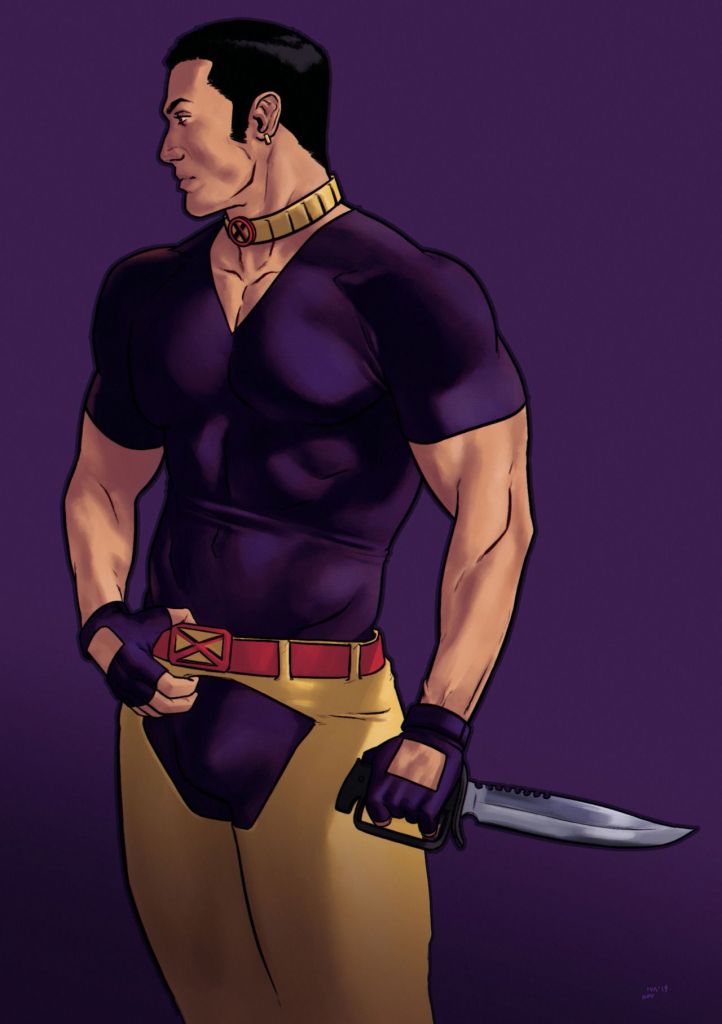
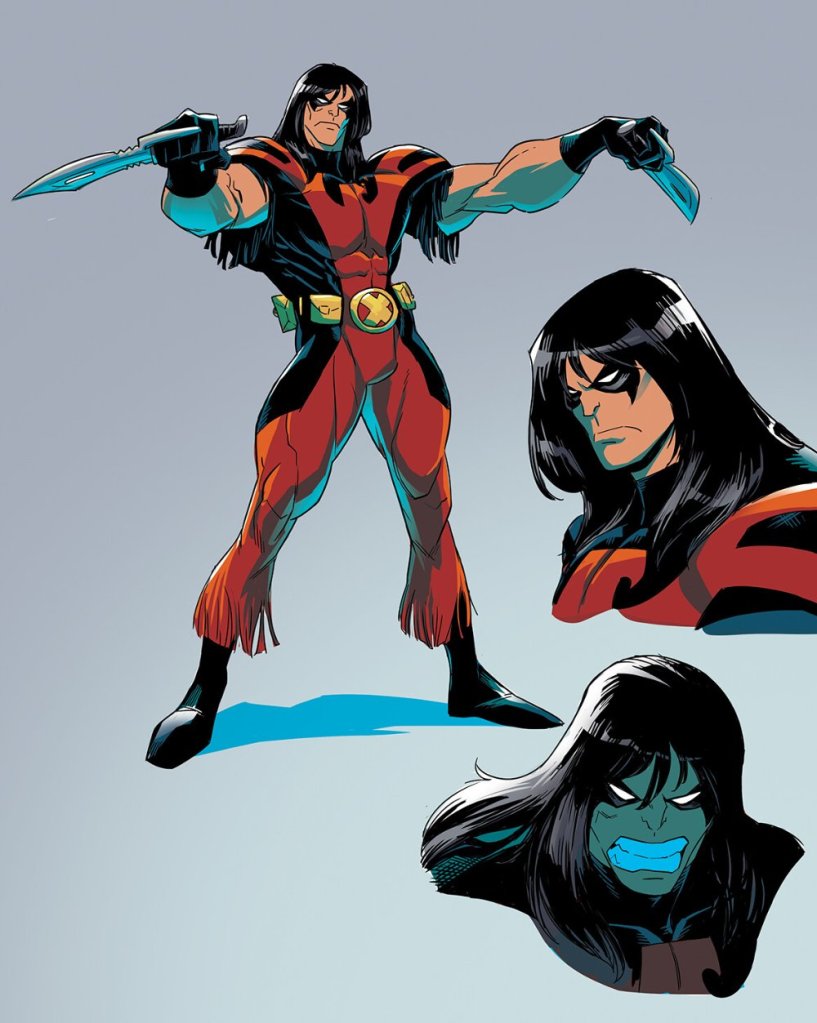
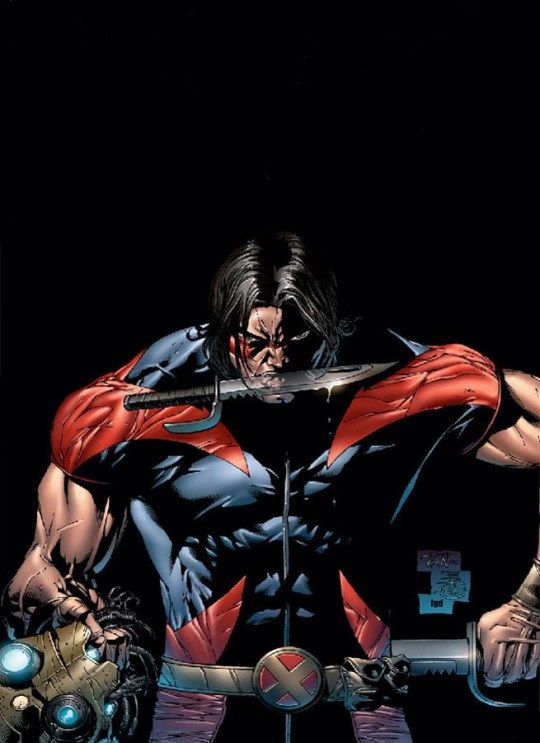
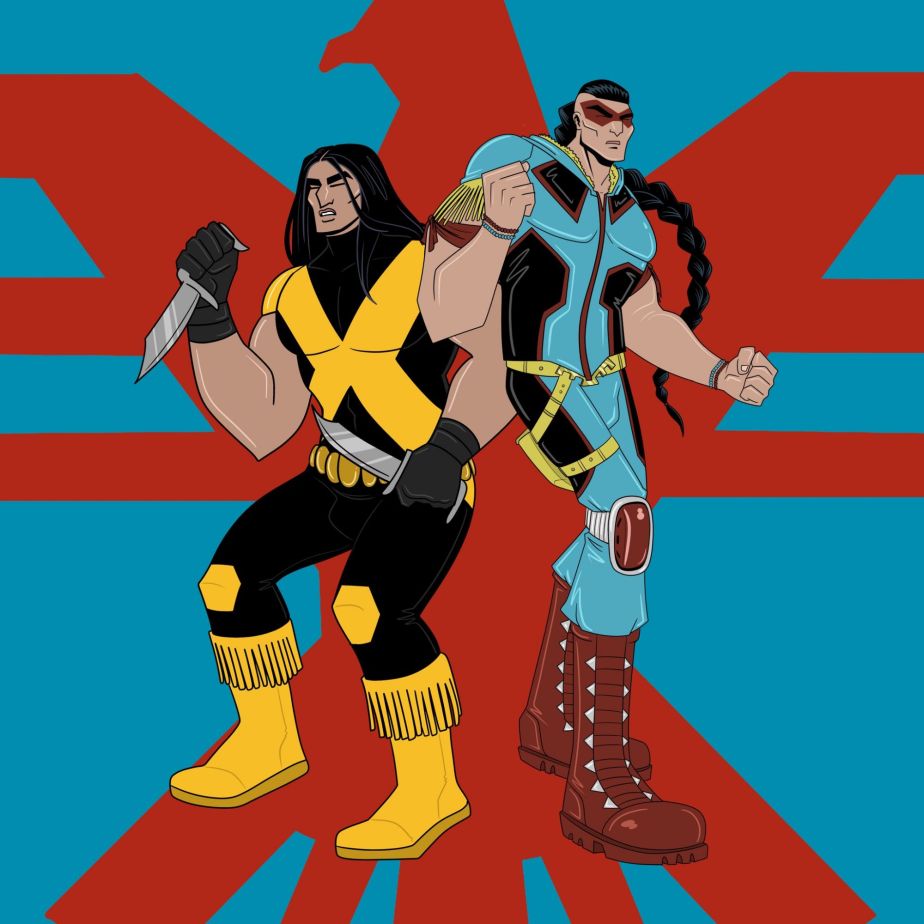
24. Laura Kinney – X-23/Wolverine (Native American) – Racial Draft Season 5

What do you think of Native American X-23/Wolverine? #RacialDraft
— Racial Draft Podcast (@RacialDraftPod) October 19, 2022
Click HERE for more Native American Delegation posts








 Racial Draft