
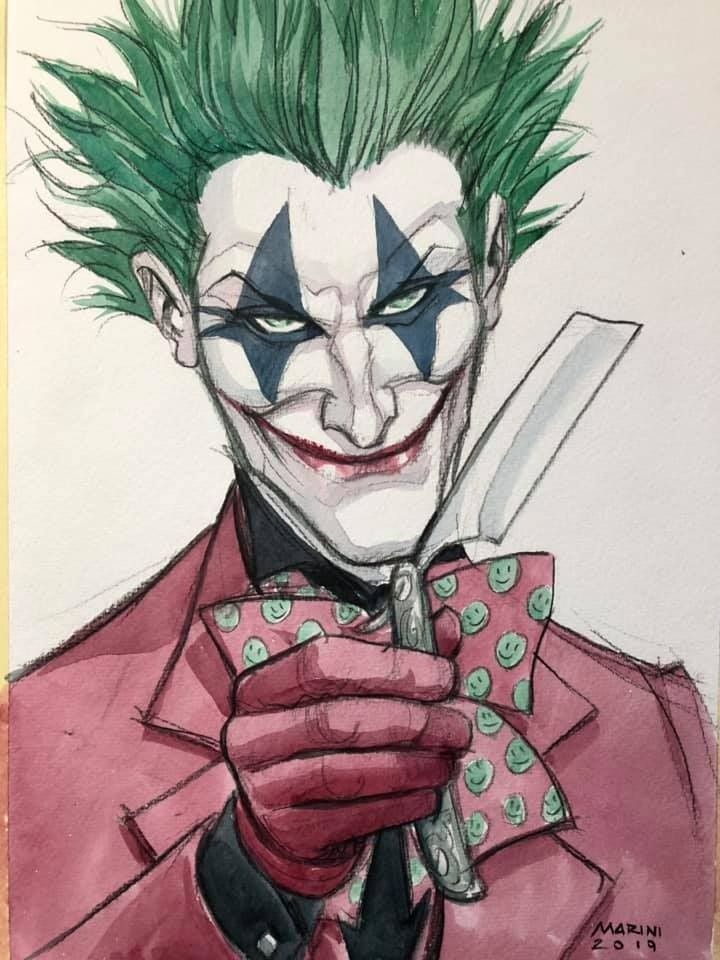
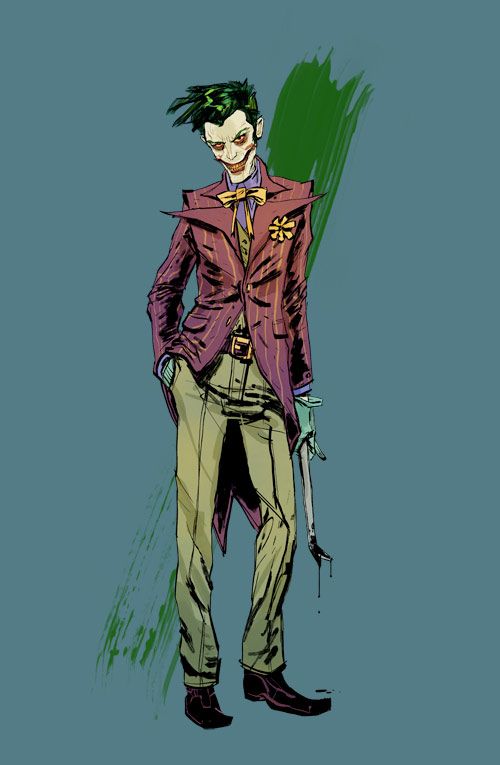
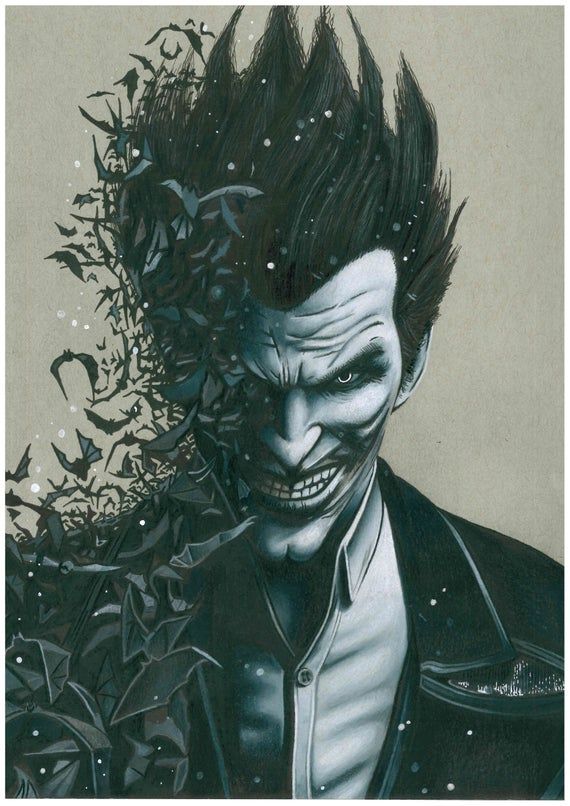


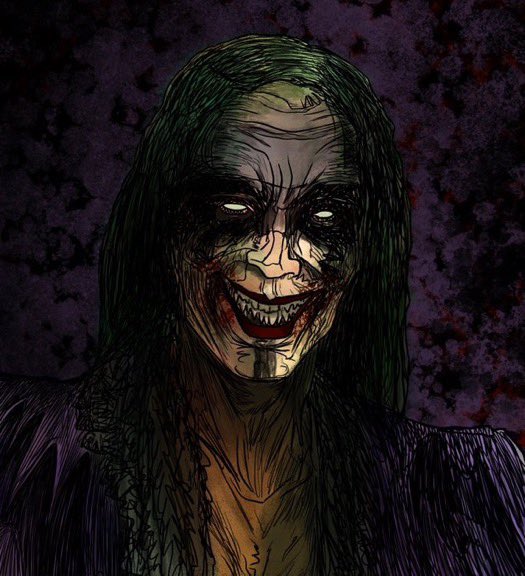
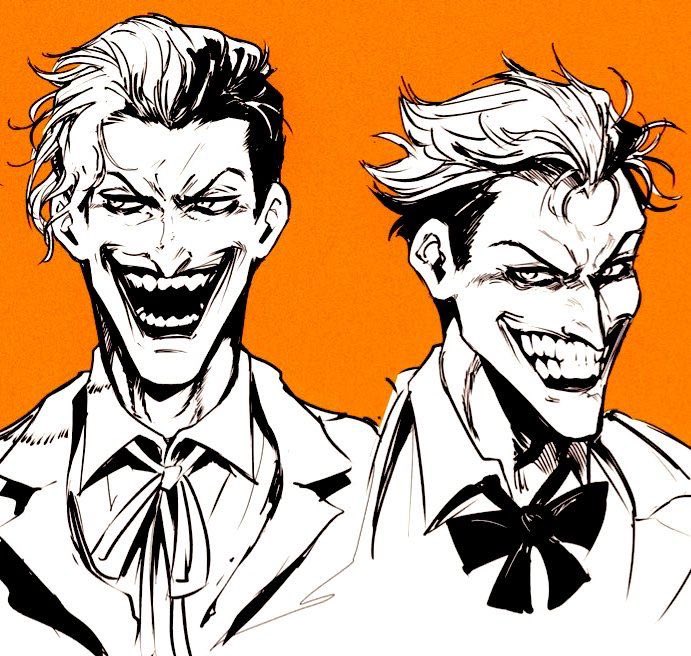
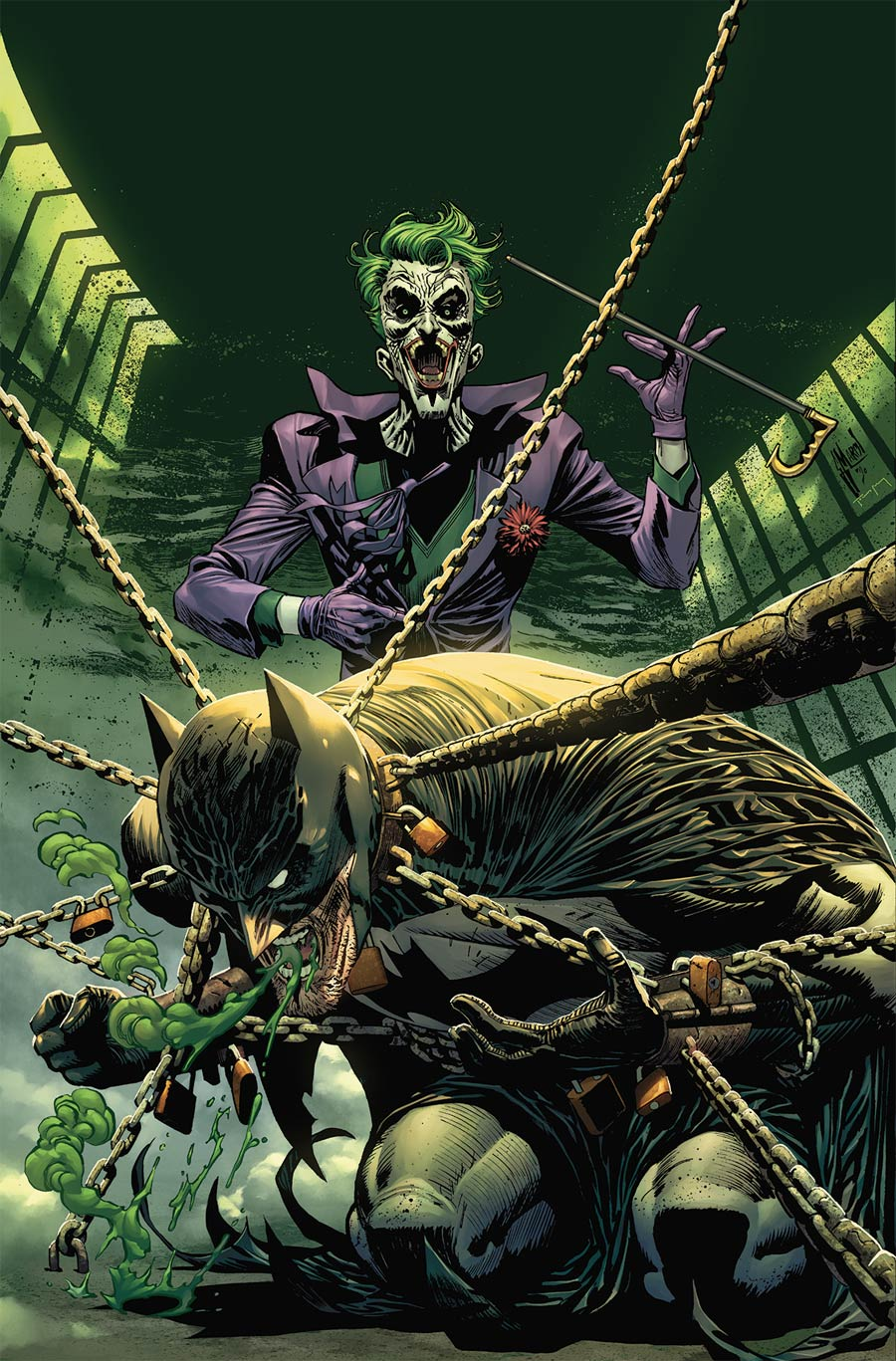
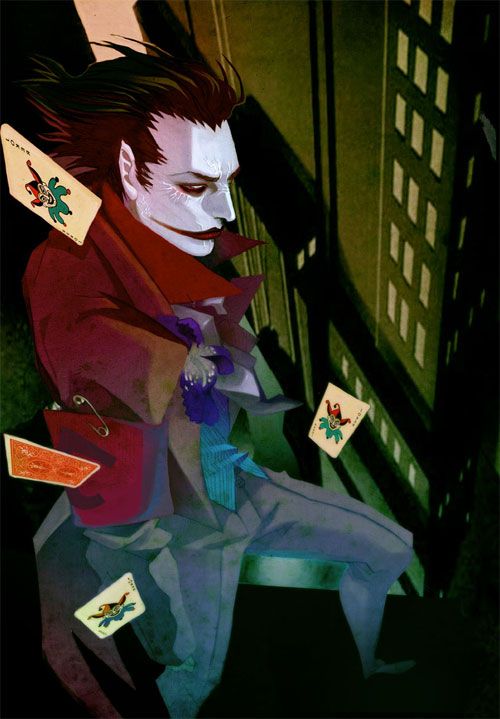
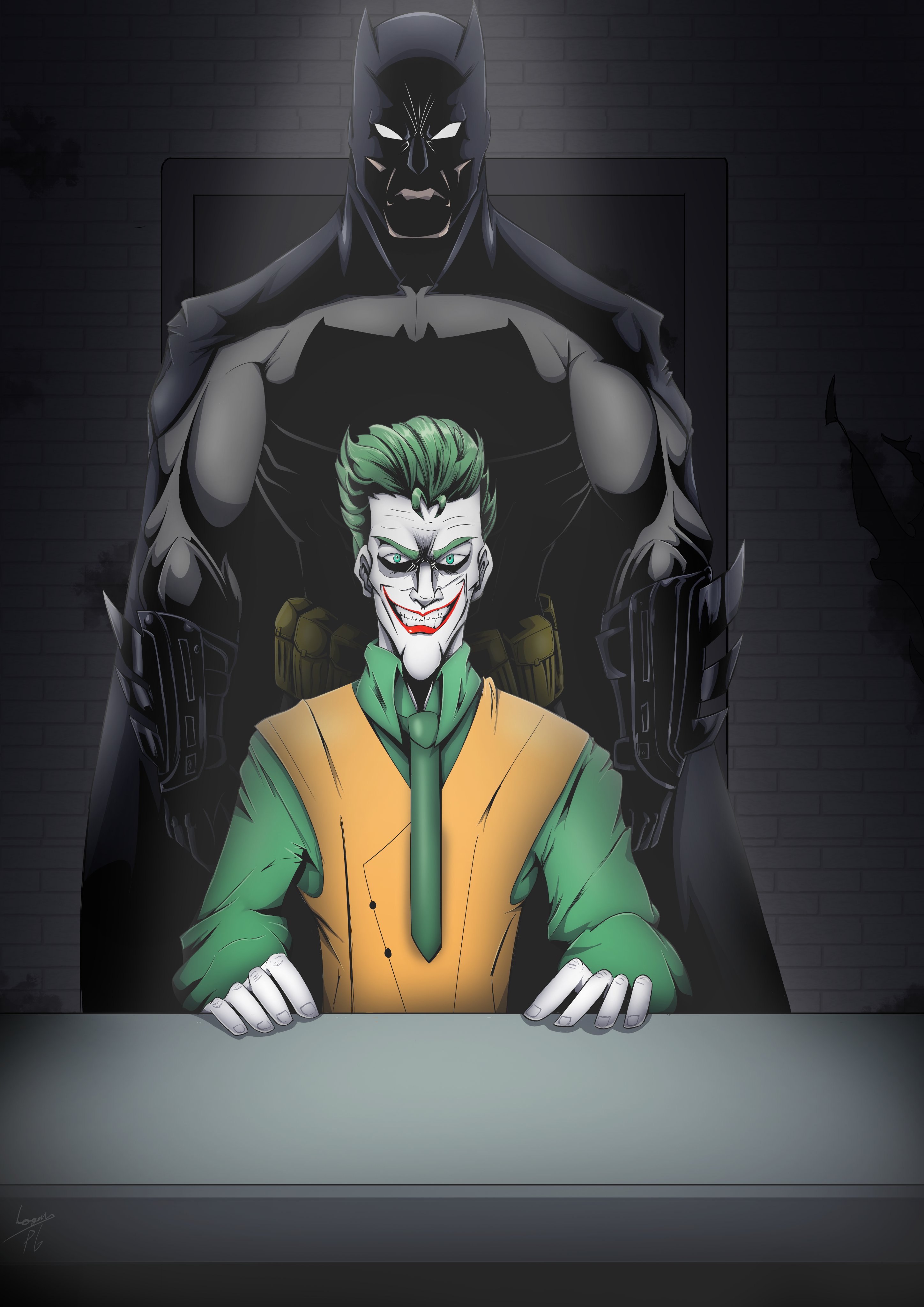
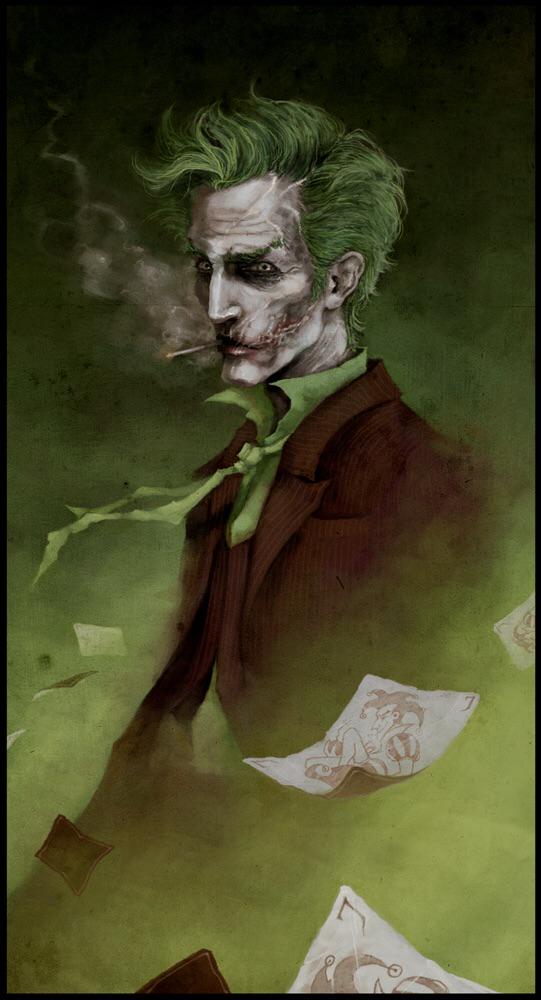
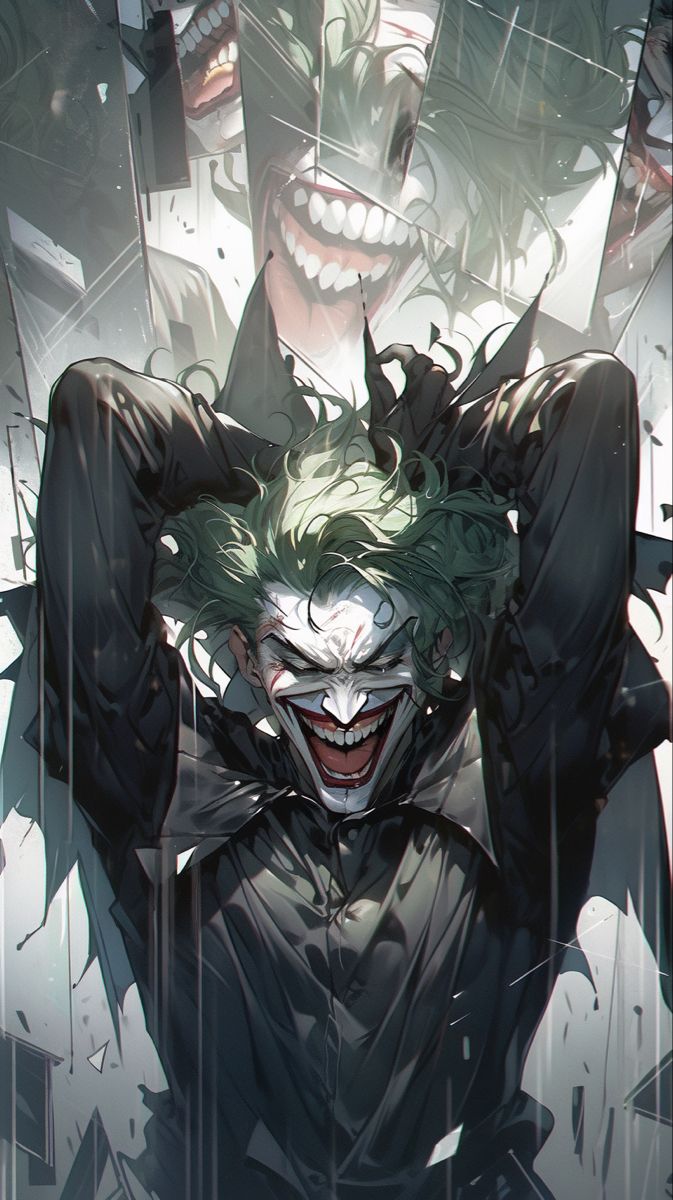
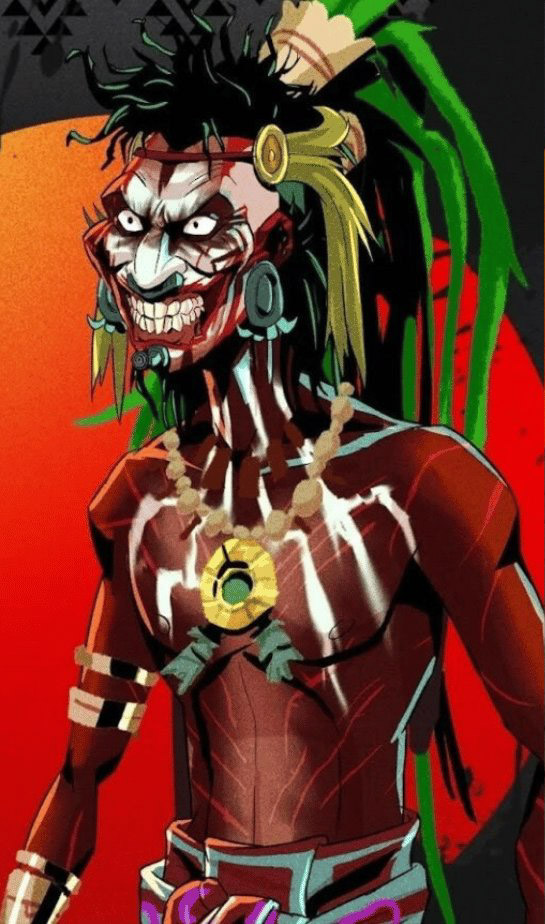
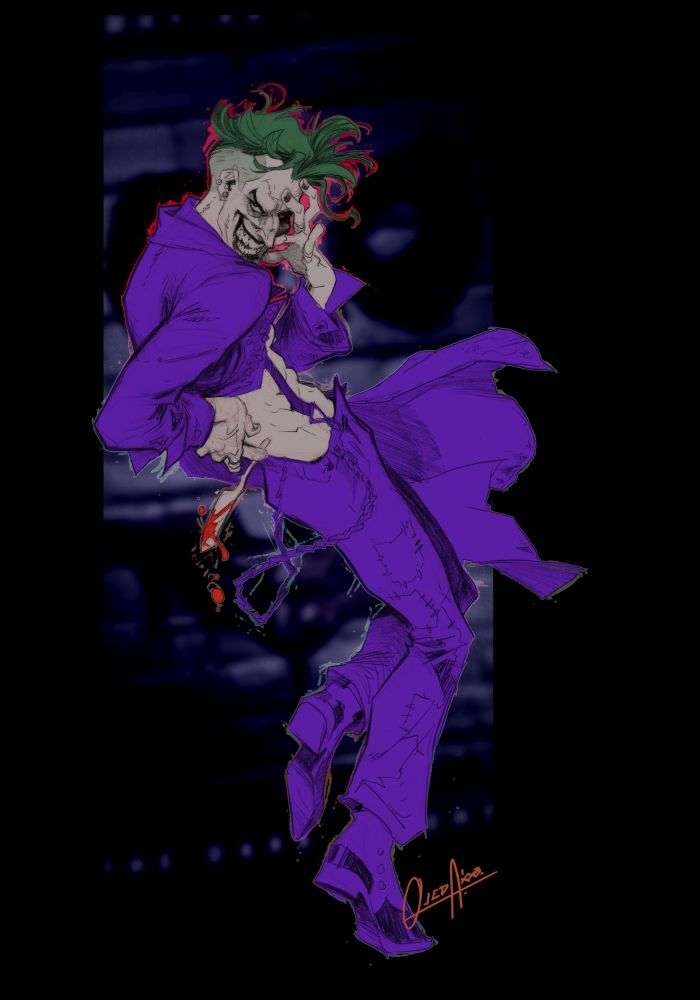
The reimagined #RacialDraft backstory for Native American Joker is as follows:
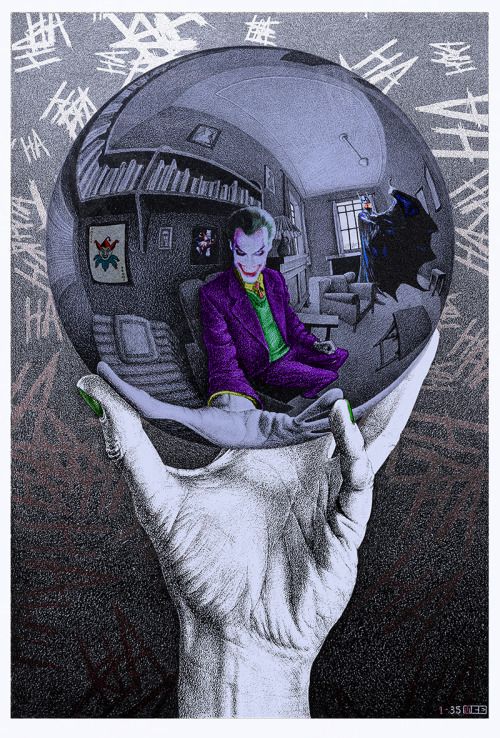
They say that “Comedy is Tragedy, plus Time.” Well, our tragedy starts long ago, back on May 4,1626. That day Gotham was bought by colonizers for a trade value of 60 guilders ($24) from the Lenape tribe, the first settlers of Gotham. Specifically, it was Peter Minuit Wayne who made the transaction, and the tribal leader, Chief White Eagle, who agreed to the deal.


This deal led to the Lenape being displaced from their homes, removed from their colony, leading to a future of genocide, further displacement, and limited resources provided by the U.S. government. It also brought great shame to the Chief’s lineage, who were marked as fools for how easily they fell to deceit, and bore the name “Rekoj” and symbol of the Fool in infamy to this day, as the Lenape reside in reservations in the rural regions outside of Gotham and still tell tales of the Fool’s betrayal.

Years later, Arthur Rekoj continued to bear that burden throughout a childhood marked by undiagnosed mental illness. While he possessed genius intellect, he suffered from what mental health professionals might understand as schizophrenia, psychopathic tendencies, bipolar disorder, and pseudobulbar affect. And without medication, his condition deteriorated over time, and the young man began to behave in antisocial ways, his troubled spirit obsessed with his family’s shame, and the curse that extended back to the first family of Gotham, the Waynes.

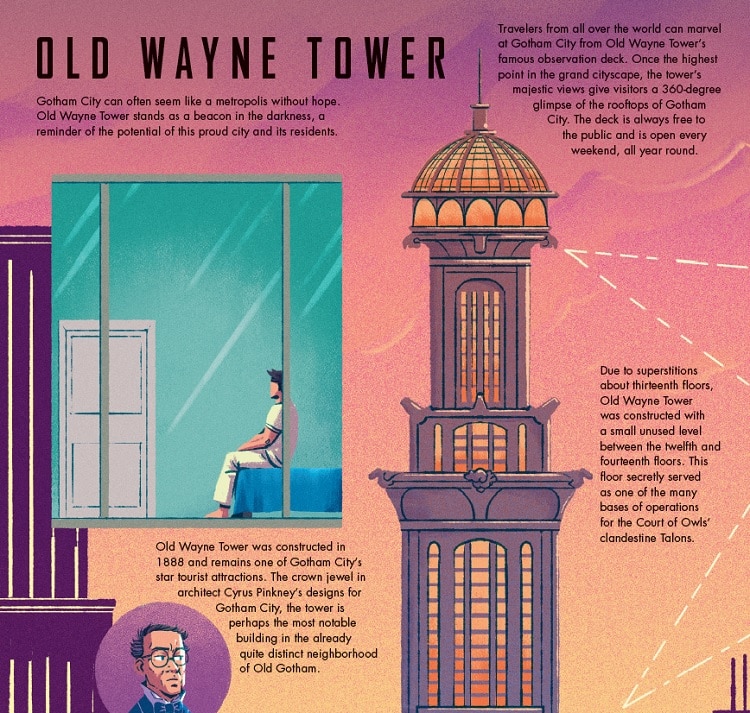
Over time, the Wayne Family became an institution, as they built the settlement of Gotham into a bustling city, and the early Wayne Academies attempted to bridge the gap between the two communities and integrate the Lenape into cosmopolitan urban life. At one point, a Wayne even married a Lenape descendant. Ironically, as the shameful legacy of the Rekoj endured across generations, the enmity towards the family that deceived them waned.
Frustrated, Arthur decided to take his rage to a place that would offer him a fresh start: The US Army. It was there that Army doctors first diagnosed and medicated him, and he was functional enough to be trained in the ways of killing, in a time when America needed young men to go abroad and kill in their name.
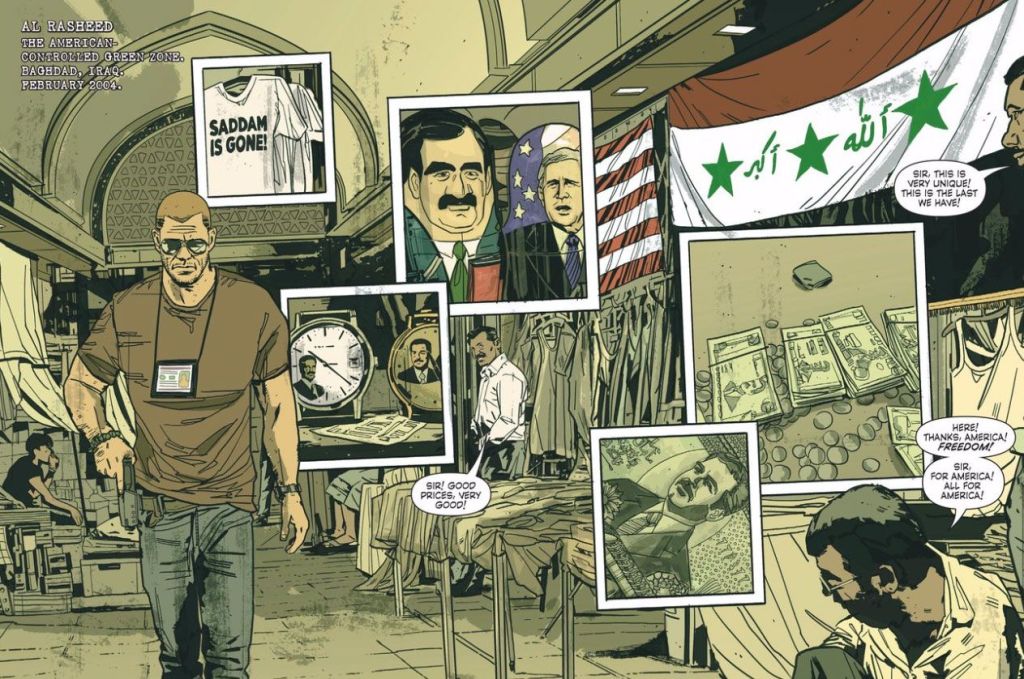
Arthur was exposed to, and became adept at, constructing and deconstructing IEDs, counter-terrorism, codes and codebreaking, weapons, and even chemical warfare. (Yes, many of his missions were off the books and illegal under the Geneva Convention, but Arthur followed his orders well, serving his country with a smile.)
However, after an extended period without his meds, Arthur’s mental health went off a cliff, as manic and psychotic episodes made him dangerous and unreliable. He stopped caring about life, and started relishing the bloodshed, laughing in the face of it. This led to a dishonorable discharge and a one-way ticket back to the States, Gotham in particular.
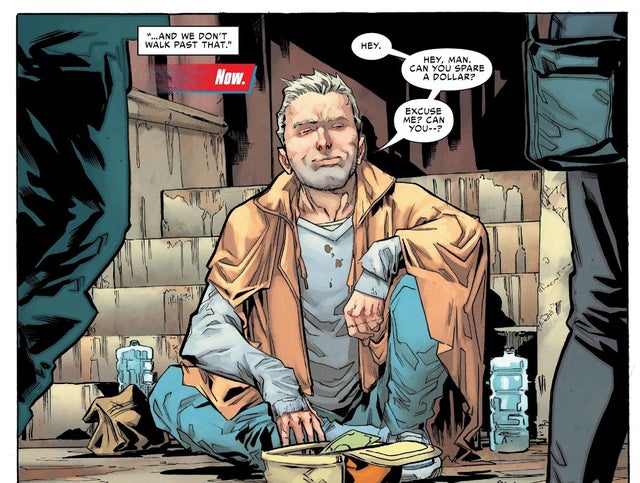
Upon Arthur’s return to Gotham, however, he learned how few resources were available to war veterans, particularly those with mental health challenges, and quickly fell into homelessness. He became a street performer, doing comedy and clown acts just to earn enough money to eat one meal a day.
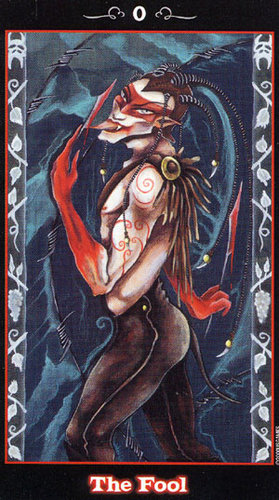
Arthur began wearing his clown makeup all the time, the mineral paint a reminder of his people’s traditions and customs, as well as the Rekoj clan’s reputation as fools. He also felt like he was at war, not just within himself, but with a society that had used and discarded him. Arthur found affinity with other people lost to the streets, and when they turned to crime, so did he.
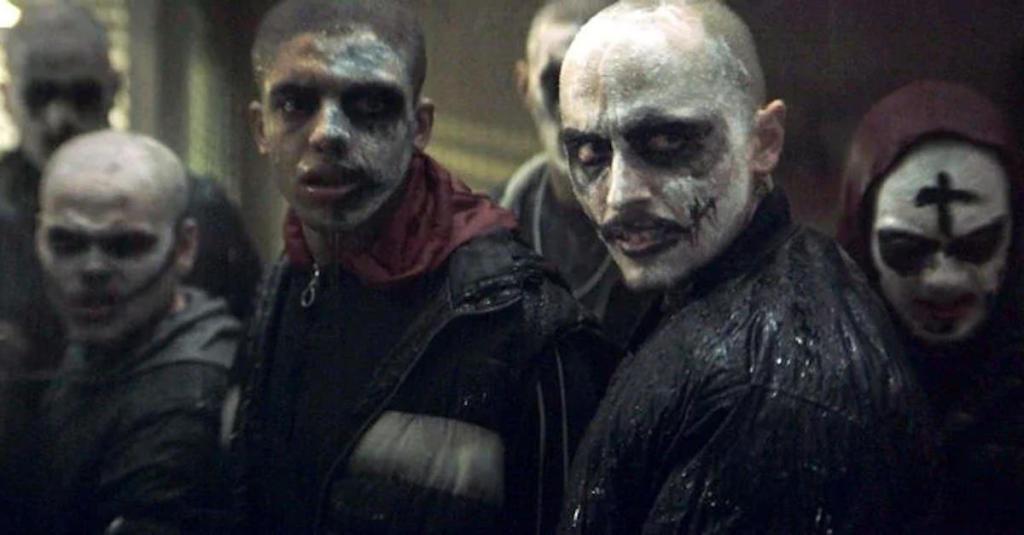
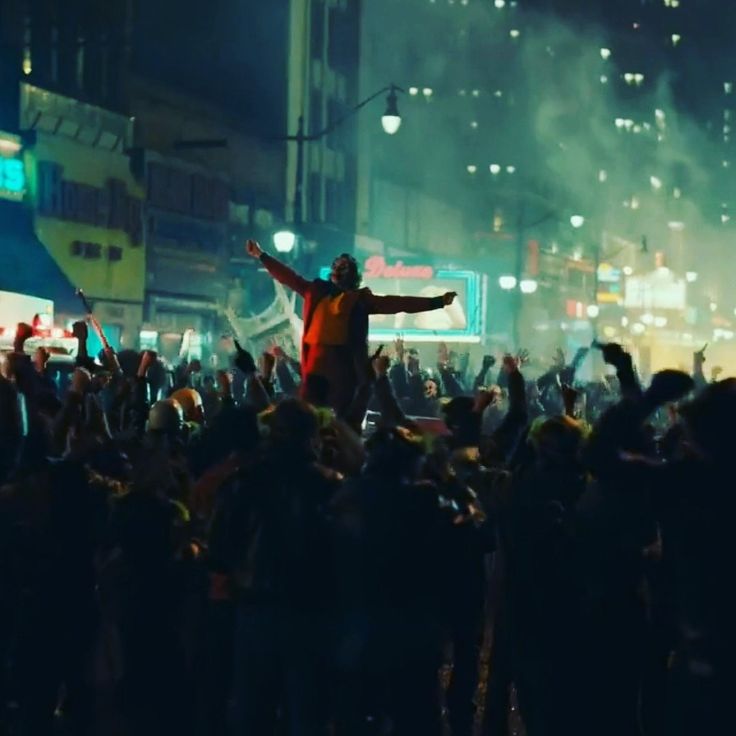
Arthur’s natural charisma and flair for the dramatic, along with his keen eye for patterns, helped his crews and heists succeed, and soon, he didn’t just have a gang of clowns loyal to him and ready to commit crimes; he had found other disaffected, discarded young men, some from his old Lenape tribe, but others from just the streets, and they were ready for more. Gotham had fallen from grace, it was a bleak, corrupted, rotting a city where the wealthy prospered while the masses starved, and Arthur found it to be a joke.
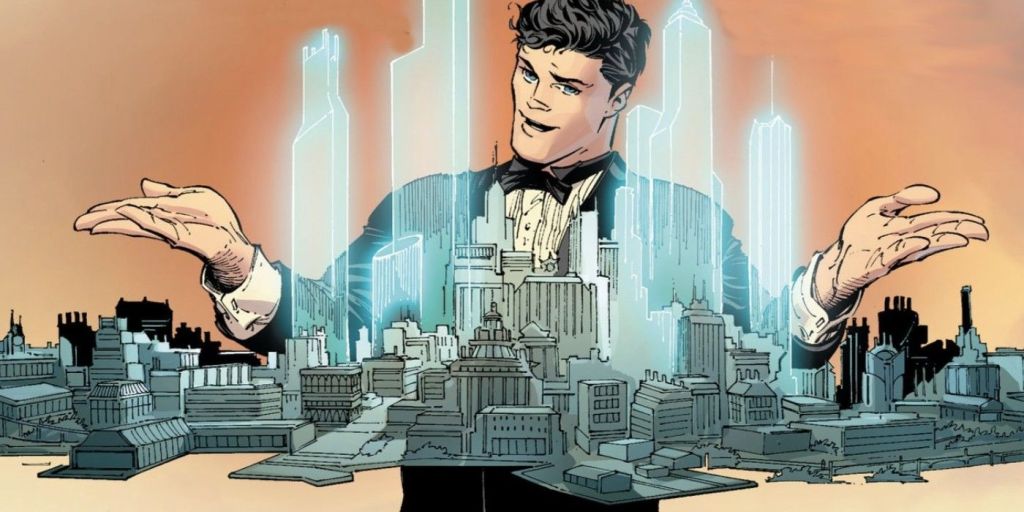
But the city still had its champions. Chief among them was Bruce Wayne, the orphaned rich boy with Lenape blood, who had recently returned from years abroad ready to reverse the decades of neglect, particularly on the city’s marginalized. He knew how easily the streets could find them, and the criminal underworld could exploit and weaponize them. Bruce wanted to use his family’s immense wealth on social programs designed to uplift the people. He went to the Lenape reservation and saw despair, and immediately put resources into betterment of that community.
The other side of the coin, however, was The Batman. As the legend has it, he was possessed by a Lenape avenging spirit, delivering protection to the weak, and fear and vengeance to those who would prey upon them. Arthur found that especially laughable — where was this “Dark Knight” when the city needed him? His people have been suffering for generations, there’s no way that an avenging spirit could rival the rising tide of the poor masses willing to embrace pure anarchy and chaos.
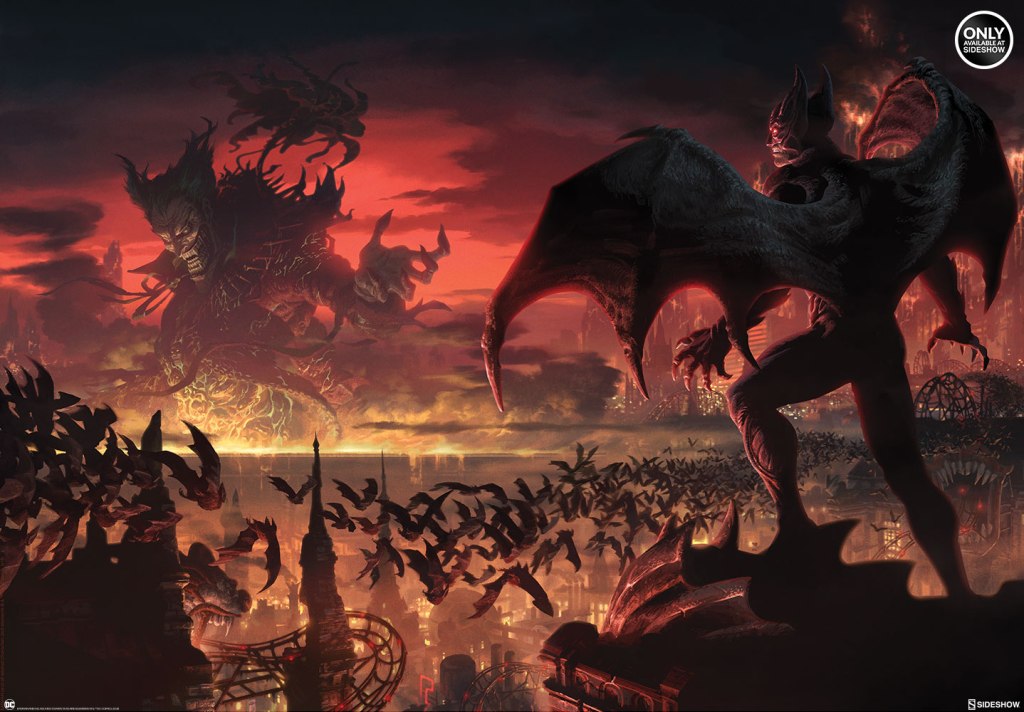
So Arthur planned a massive terrorist attack, raiding the ACE Chemical plant for resources to build a chemical agent. His followers were willing to die for the cause of anarchy, and if he died, they were willing to wear the makeup and pick up the cause. But it was in the midst of this attack that Arthur encountered The Batman, and as he rounded up the would-be terrorists, Arthur was pushed into a vat of chemical waste, the precise makeup of which was never determined.
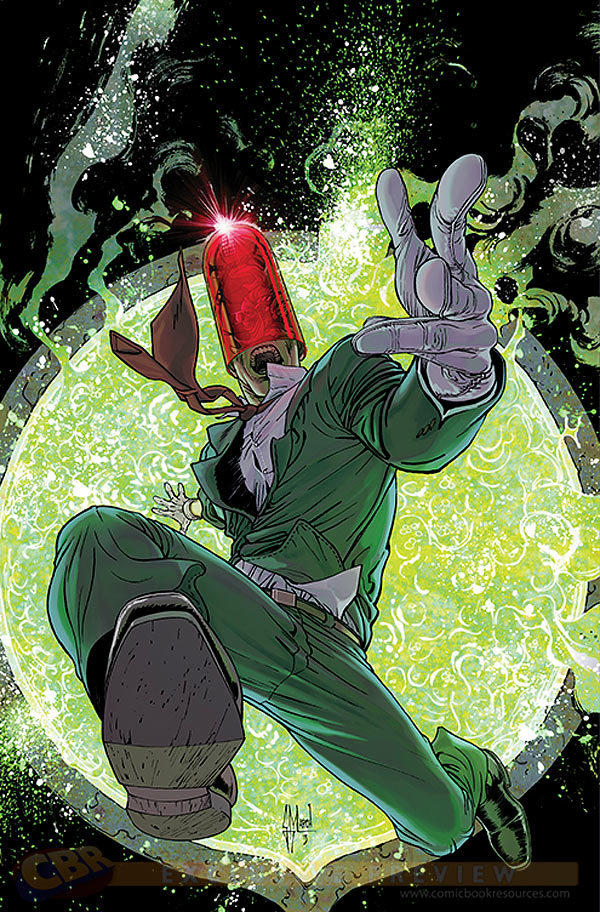
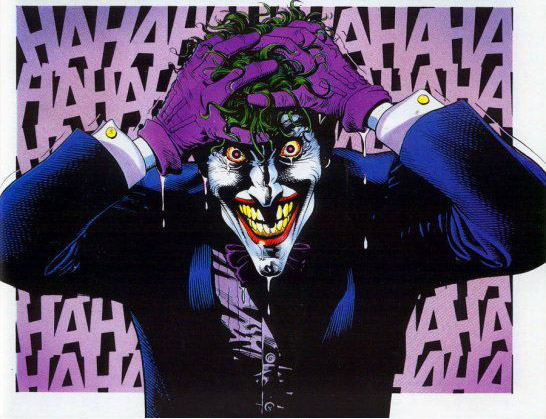
All that was known is that Arthur emerged from the vat with ghastly green hair, his mineral paint permanently seared into his skin’s pores, and his face perpetually wearing the smile that his pseudobulbar affect brought on at the moment of his near death. Arthur Rekoj was reborn as the monster of Batman’s making, a spirit of chaos destined to match his spirit of order. A fool no more, he became the Dark Knight’s arch nemesis. “And now,” said the Joker, “the real fun can begin.”
 Racial Draft
Leave a comment